By Clara Salomon on April 1, 2025
Last updated on March 31, 2026
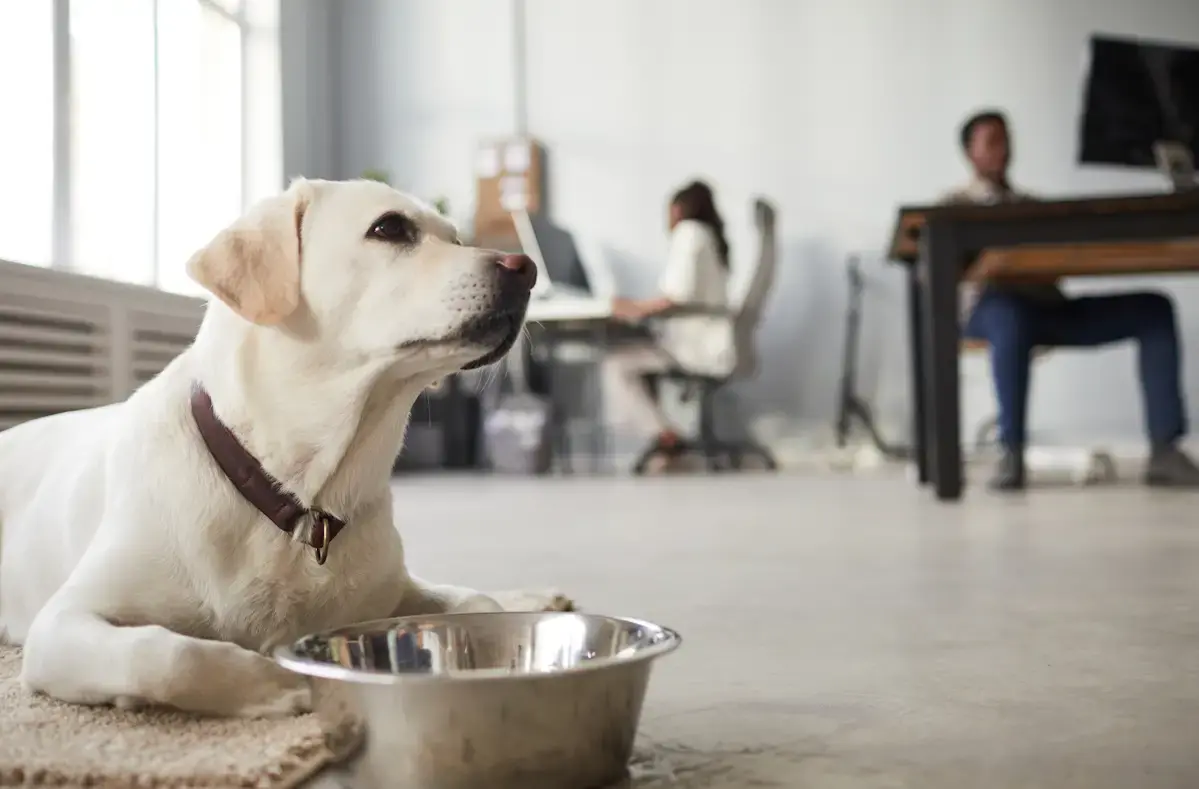
Offering a pet-friendly coworking space can significantly boost member satisfaction and differentiate your business in a competitive market. This approach can foster a vibrant community, attract new members, and create a more relaxed work environment. However, it also presents challenges related to allergies, hygiene, and potential conflicts, which require careful planning and clear guidelines.
Why Offer a Pet-Friendly Coworking Space?
Integrating animals into the workplace, particularly coworking spaces, can create a more personal and calming atmosphere, leading to increased creativity, reduced stress, and improved productivity. This benefits individuals from various industries who gather in shared offices, promoting better communication and a stronger sense of community.
The concept of a pet-friendly work environment is gaining traction, with studies and reports indicating that animals can improve the overall work atmosphere. They often bring calm, balance, and cheerfulness, positively influencing those around them. In coworking spaces, this can help break down barriers and foster communication among diverse individuals.
Furthermore, pet-friendly policies serve as a significant unique selling point in a competitive market. For operators seeking to stand out and build a special community of like-minded professionals and animal lovers, allowing pets can be a decisive factor in attracting new clients.
The Benefits of a Pet-Friendly Coworking Space
Pet-friendly coworking spaces appeal to many, offering several benefits that enhance the work environment and member experience.
- Stress Reduction and Well-Being: The presence of dogs or cats can lower cortisol levels and improve mood, providing a "mini timeout" during intense work phases.
- Higher Productivity: A comfortable workplace often leads to increased motivation and creativity, positively impacting work performance and satisfaction.
- Community and Networking: Sharing time with animals creates instant conversation topics, fostering a sense of community and strengthening group cohesion through casual chats.
- A Unique Selling Point (USP): A pet-friendly orientation distinguishes your space in the local market, helping attract new members.
Pet owners also experience significant relief, saving on pet-sitting costs and having the flexibility to take their pets for walks during breaks or when workdays extend unexpectedly.
The Challenges of a Pet-Friendly Coworking Space
While advantageous, pet-friendly spaces come with their own set of challenges that operators and members should consider.
- Allergies and Fears: Not everyone is comfortable around animals. Individuals with allergies or phobias may feel disturbed or threatened by their presence.
- Noise and Hygiene: Animals, especially dogs, can cause disturbances through barking or occasional indoor accidents if not properly supervised, leading to annoyance among other members.
- Conflicts Between Animals: When multiple pets are present, conflicts can arise, particularly with inexperienced owners or unsocialized animals.
- Liability Issues: Operators must clarify questions about insurance and liability in advance, addressing potential damage or injuries caused by animals.
Operators must proactively address these challenges by establishing clear guidelines to ensure a smooth experience for all members.
Tips for Operators: How to Successfully Implement a Pet-Friendly Concept
Successfully creating a pet-friendly coworking space requires a clear concept and proactive organization. Here are some key recommendations:
- Establish Clear Rules: Specify which animals are permitted (e.g., only dogs, cats, rabbits), vaccination and microchip requirements, and acceptable behavior standards (e.g., no using office areas as a permanent dog park). Written guidelines create clarity.
- Define Capacity Limits: Too many animals can quickly lead to unrest. Set a maximum number of animals per day or per space unit to maintain a balanced environment.
- Find Spatial Solutions: Provide separate retreat areas for animals and designated pet-free zones to increase safety and reduce disturbances. "Dog lounges" with bowls, cushions, or enclosed rest areas often work well.
- Give Preference to Experienced Pet Owners: Conduct conversations about training experience. For new owners, recommend pet training before their animal regularly joins the coworking space.
- Have an Emergency Plan and Safety Concept: Define procedures for incidents like allergies or runaway pets. Inform all members about emergency contacts and insurance details.

Communication and Community Management
Effective communication is crucial when introducing pet-friendly rules. Operators should be aware of the diverse opinions among members, some of whom may love animals, while others may prefer no contact or worry about cleanliness. Therefore, it’s advisable to:
- Conduct a Survey: Gather feedback from current members before allowing animals. This helps identify concerns early and find constructive solutions.
- Host Workshops or Info Sessions: Offer presentations to address questions, provide tips for handling pets, and clarify expectations. This increases community acceptance.
- Regular Evaluation: Frequently check in with both pet owners and non-pet owners to gauge the atmosphere and determine if adjustments are needed.
Practical Examples
Many coworking spaces successfully implement pet-friendly concepts. Some designate "Dog Days" to manage animal numbers and allow members to prepare. Others offer "Pet-Friendly" memberships with a small additional fee, often covering cleaning costs. Many spaces also provide dedicated comfort zones with food and water bowls, toys, and cozy sleeping areas. These offerings are often seen as a community bonus and strengthen member loyalty.
Weighing Options for a Pet-Friendly Coworking Space
Operating a pet-friendly coworking space offers significant advantages, including a stronger community, satisfied members, and a distinguishing factor in the market. However, it also involves risks such as conflicts, hygiene concerns, and the challenge of balancing diverse member needs. Thoughtful implementation with clear rules and transparent communication allows operators to fully benefit from the positive atmosphere and unique identity of such a space.
Ready to create a more engaging and productive environment for your members? Discover how ezeep can simplify your office operations. Experience hassle-free printing and focus on building your thriving community.
House Rules 2.0: Shaping Coworking Culture with Community Guidelines

Why Member Satisfaction is Crucial for Coworking Spaces