By Charles Ian Pritchard on December 20, 2022
Last updated on March 31, 2026
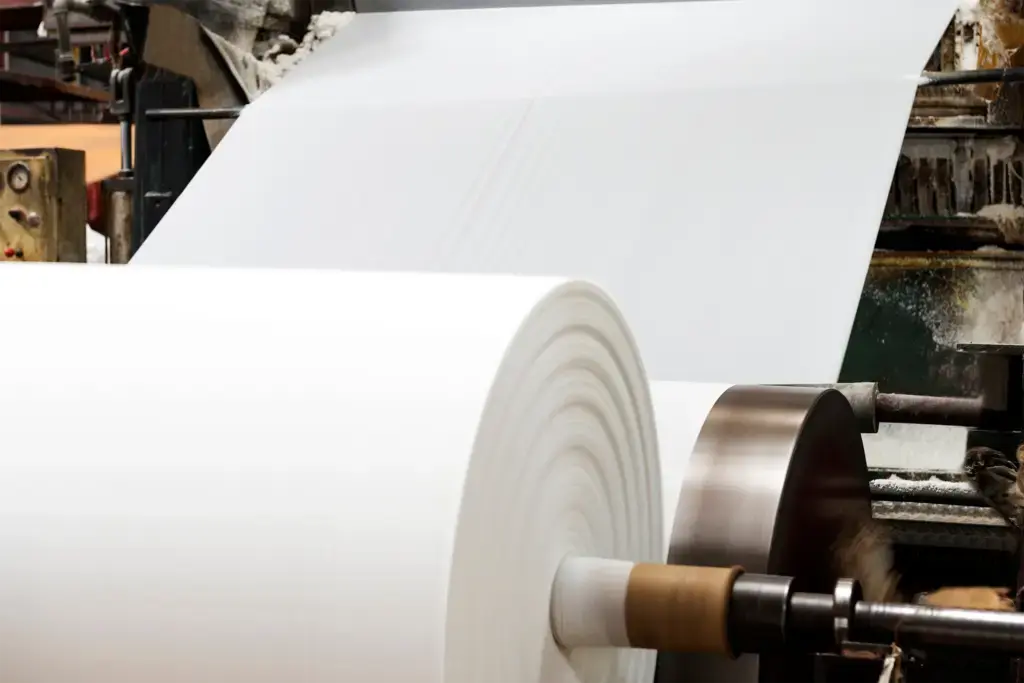
Reducing the environmental footprint of printing starts with the paper itself. While the act of printing produces minimal CO2, paper production accounts for the vast majority of emissions. Opting for wood-free paper alternatives like sugarcane (bagasse), bamboo, and stone paper significantly lowers the carbon impact compared to traditional wood-pulp paper. These materials offer sustainable choices by using waste products, growing rapidly, or avoiding trees and water in their manufacturing.
Paper From Sugarcane (Bagasse)
Paper made from sugarcane, specifically bagasse, offers a sustainable alternative by repurposing a waste product from sugar production. This material significantly reduces the environmental impact compared to wood-pbased paper, using less energy and fewer chemicals in its manufacturing process.
How to Make Paper From Sugarcane
Sugarcane paper comes from bagasse, the residue left after sugar production. This waste product is often incinerated, but it can be processed into paper, biodegradable tableware, napkins, and tissues, thereby reducing CO2 pollution.
To create paper from bagasse, the sugar juice is squeezed out, and the remaining fibers are processed, bleached, and then sold as paper.
While making one ton of 100% sugarcane paper requires about six tons of bagasse (twice the amount of wood needed for wood-based paper), bagasse is a ready-to-use waste product. This contrasts with wood, which requires felling trees. Producing one ton of bagasse paper also uses about 9,000 kilowatts less energy and fewer chemicals than conventional paper.
A 2011 study confirmed that paper made from non-traditional, wood-free materials generally has lower consumption of water, energy, and trees. Finished bagasse paper is reliable, printable, and resistant to water and oils.
Why Use Paper Made From Sugarcane?
Using bagasse for paper production helps the environment because it repurposes a waste product that would otherwise be burned. Additionally, sugarcane grows much faster than trees. Bagasse can also make cutlery and tableware. If no other materials are added, this paper is even biodegradable.
Bamboo Paper
Bamboo paper is often marketed as being primarily bamboo, but it frequently contains more bagasse. For example, some products might be 30% bamboo and 70% sugarcane. Bamboo paper closely resembles the white shade of conventional paper, making it suitable for those who prefer that appearance.
Stone Paper – An Alternative Without Wood and Water
Stone paper offers a truly wood-free and water-free paper alternative, made primarily from calcium carbonate recovered as waste from limestone mines. This method significantly reduces environmental impact by avoiding tree felling and extensive water use during production.
What Is Stone Paper?
Stone paper is a natural product made from powdered calcium carbonate (CaCo3), a waste product from limestone mines. While calcium carbonate is used in small amounts to brighten traditional paper, it makes up 80% of stone paper.
To process calcium carbonate into stone paper, it is mixed with non-toxic high-density polyethylene (HDPE) resin. This HDPE can also come from recycled materials like old PET bottles or plant sources, aligning with circular economy principles.
The circular economy concept aims for a perfect cycle with no waste. Companies seeking certification must verify their ingredients, recyclability, use of renewable energy, water use, and social aspects. Many stone paper producers strive to meet these rigorous requirements.
Stone paper production requires no drinking water and no trees. This approach saves approximately 60,000 liters of water per ton compared to traditional pulp paper, and nearly 35,000 liters compared to recycled paper. Energy consumption is also very low: stone paper production saves 5,700 kilowatt hours per ton, requiring less than 1,000 kilowatts per ton.
Stone Paper Characteristics
Stone paper is anti-static, grease-resistant, waterproof, tear-resistant, and has no grain direction. It is also acid-free, with no bleaches, bases, or other fluorescent chemicals added.
Stone paper is fully printable. Its fiber-free surface prevents ink absorption, which saves ink. However, very warm printers, like laser printers, are less suitable as the heat can damage the paper. Stone paper decomposes when exposed to sunlight, but temperatures as low as -40 degrees do not affect its condition.
Summary
While wood-free paper alternatives like sugarcane, bamboo, and stone paper offer environmentally conscious options for printing, each has specific considerations for widespread adoption. Understanding these characteristics helps in choosing the most suitable sustainable paper for various applications.
Stone paper's plastic content, while making it durable, presents disposal challenges (it requires specific recycling). The volume of plastic needed for widespread stone paper use is also substantial. Sugarcane paper faces logistical challenges due to long transport routes for many countries. While both offer good alternatives to tree-based paper, they are not a complete solution for sustainable paper needs.
Explore sustainable paper choices to reduce your environmental impact. Try ezeep free and make printing the boring part of your day.
Sustainable Printing: Stone, Sugarcane, and Recycled Paper Compared
Reduce Paper Waste in Offices for Sustainable Printing