Space Requirements in Coworking Spaces
By Maximilian Bauer on March 28, 2025
Last updated on March 31, 2026
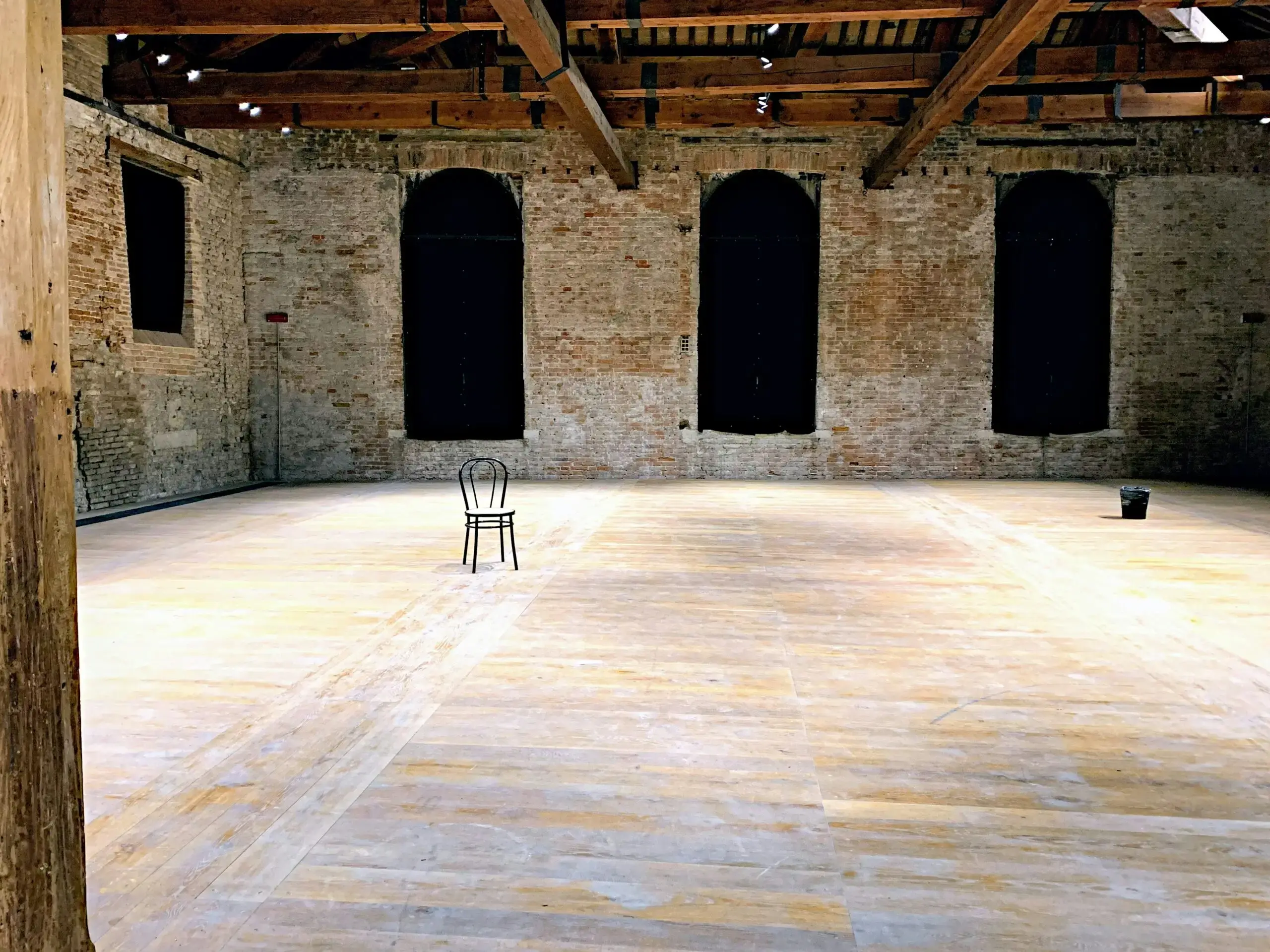
Planning coworking spaces requires a careful balance between maximizing capacity and providing quiet zones for focused work. Understanding key factors like legal requirements, capacity planning, and flexible design ensures a successful and productive environment.
Current Trends in Coworking Spaces
The number of new coworking spaces continues to grow, driven by demand for collaboration, flexibility, and attractive work environments. Hybrid concepts, combining communal areas, focus rooms, and event spaces, are a strong trend. Plan your space with future growth in mind to allow for adaptation to different requirements.
Capacity Planning: How Much Space Per Coworker?
As a general guideline, plan for 12 to 15 square meters (approx. 130–160 sq. ft.) per person. This varies based on workstation types; individual desks may need more space, while open zones require less. Include a buffer for increased popularity or additional offerings like workshops and events.
Legal frameworks, such as OSHA guidelines in the United States, set requirements for minimum workspace dimensions, air quality, lighting, and safety. Other countries have similar regulations like Germany's Arbeitsstättenverordnung (ArbStättV) or the UK's Health and Safety Executive (HSE). Familiarize yourself with local regulations to ensure compliance and create a safe, professional work environment.
Floor Space Utilization vs. Focused Work
High occupancy is less effective if coworkers are constantly distracted. Many operators combine open areas with private spaces. This provides enough desks while offering quiet zones for focused work, phone calls, or video conferences. Clear zoning and well-thought-out floor plans are essential for this balance.
Key Infrastructure and Services for Coworking Spaces
Beyond workstations, communal facilities are equally important:
- Restrooms: Plan at least one restroom for every 10 to 15 users.
- Kitchen area: A dedicated kitchen, even a small one, is a popular gathering spot. Ensure sufficient space for a fridge, coffee machine, and dishwasher.
- Lounge and event areas: A comfortable lounge or small stage can enhance your space and create additional revenue opportunities, such as renting it out for events.
Fire Safety and Legal Requirements
Depending on the size of your coworking space, fire protection regulations, escape routes, and other safety measures are critical. Be aware of minimum standards for lighting, ventilation, and ceiling height. Consulting architects or local authorities helps ensure compliance with all regulations and avoids issues.
Planning Steps and Checklist for Coworking Spaces
- Needs Assessment: Determine the number of fixed and flexible workstations required.
- Zoning: Identify areas needing silence and those that can remain open.
- Infrastructure: Plan for restrooms, kitchen, lounge, and potential meeting rooms.
- Safety: Ensure fire protection, adequate escape routes, and correct signage.
- Future-Readiness: Implement solutions and furnishings that allow for flexibility and potential expansions.
Conclusion
The ideal space for a coworking environment depends on your concept, community, and local conditions. As an operator, find a balance between maximum occupancy and providing ample room for focused work. A well-designed space that meets legal requirements benefits everyone. Keep your space adaptable to respond quickly to trends and a growing user base.
Frequently Asked Questions
How much space should be allocated per person in a coworking space?
A general guideline for coworking spaces is to allocate between 80 to 200 square feet per person. This range accounts for various needs, from open-plan desks to private office areas and shared amenities.
What factors influence the space requirements of a coworking space?
The overall size of a coworking space depends on several factors, including the number of members, the types of services offered, and the desired atmosphere. A space offering more private offices and meeting rooms will require more square footage per person than one with mostly open workstations.
What is a 'hybrid concept' in coworking spaces?
A hybrid concept in coworking spaces combines various types of work environments, such as open communal areas, dedicated focus rooms for individual work, and flexible event spaces. This approach allows the space to cater to diverse needs and activities within a single location.
Why is balancing well-used areas and quiet zones important in coworking space design?
Striking a balance between highly utilized communal areas and quiet work zones is important to accommodate different work styles and preferences. This design helps members maintain focus when needed while also fostering collaboration in shared spaces.
How can coworking spaces plan for future growth and changing needs?
Coworking spaces can plan for future growth by developing a flexible concept that can adapt to different requirements. This might include modular furniture, reconfigurable spaces, and a thoughtful layout that allows for easy expansion or modification.
- February 2026 (1)
- November 2025 (1)
- October 2025 (1)
- September 2025 (1)
- August 2025 (4)
- July 2025 (1)
- June 2025 (3)
- May 2025 (1)
- April 2025 (5)
- March 2025 (6)
- February 2025 (4)
- January 2025 (3)
- December 2024 (3)
- November 2024 (4)
- October 2024 (5)
- September 2024 (2)
- August 2024 (2)
- July 2024 (3)
- May 2024 (4)
- March 2024 (1)
- February 2024 (3)
- January 2024 (1)
- December 2023 (1)
- November 2023 (1)
- October 2023 (3)
- September 2023 (1)
- August 2023 (1)
- July 2023 (1)
- June 2023 (2)
- May 2023 (1)
- April 2023 (3)
- March 2023 (3)
- February 2023 (4)
- January 2023 (2)
- December 2022 (3)
- November 2022 (2)
- October 2022 (5)
- September 2022 (2)
- July 2022 (2)
- June 2022 (2)
- April 2022 (2)
- March 2022 (2)
- February 2022 (2)
- January 2022 (1)
- July 2021 (5)
- June 2021 (4)
- May 2021 (3)
- March 2021 (3)
- November 2020 (1)
- October 2020 (1)
- April 2020 (4)
- March 2020 (3)
- February 2020 (3)
- January 2020 (1)
Subscribe by email
You May Also Like
These Related Stories

Door Access Solutions for Coworking & Flex Spaces
Niche Coworking: Tailoring Spaces for Specific Industries