Hot Desk Concept: A Guide to Workplace Transition
By Robert Noonan on October 23, 2023
Last updated on March 31, 2026
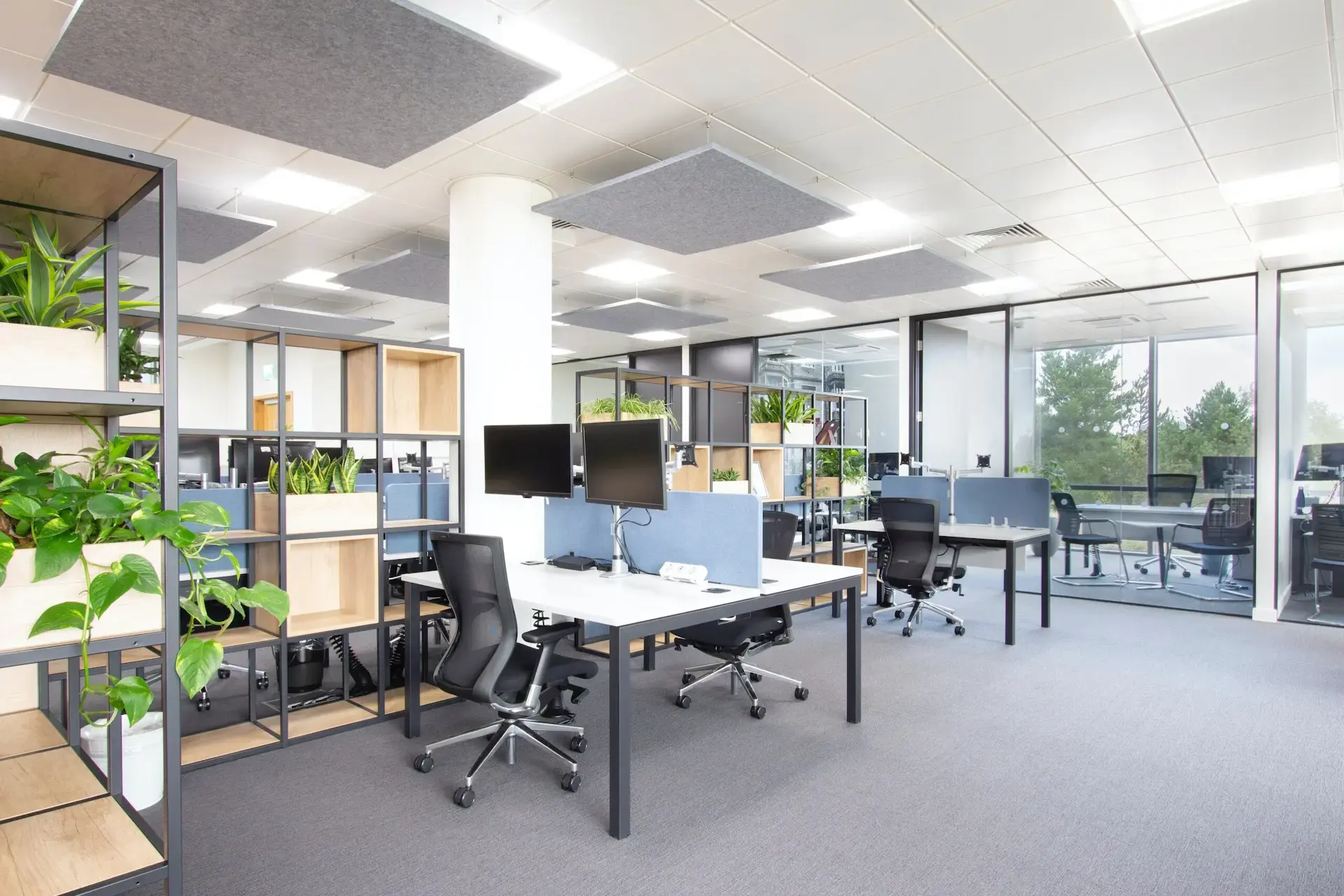
A hot desk concept is key for many organizations in the new work world. Hot desks offer flexible seating where employees use any available workspace instead of assigned seats. This guide provides actionable tips and examples for creating a hot desking policy that aligns with your organization's structure and culture. Understanding the hot desking approach can help your team optimize office space and foster collaboration.
What is the Hot Desk Concept?
The hot desk concept is a transformative approach to using office space. It creates a culture of flexibility, collaboration, and innovation, moving beyond simply sharing desks.
For employers, hot desking reduces operational costs, maximizes office space, improves employee interactions, and boosts creativity. This flexible setup allows for more dynamic use of office resources, benefiting both the company and its workforce.
Planning Your Hot Desk Policy
Determine the desk-sharing ratio during the initial planning stage. This ratio, also called the flex office rate, ensures employees feel neither stranded nor cramped.
The ratio should align with your workforce's minimum and maximum sizes, considering individual department needs. Categorize employees as fully on-site, hybrid, and fully remote to ensure workspace availability. Include diverse workspace options, such as meeting rooms and informal areas, to accommodate varied work styles. This inclusive approach enhances productivity and employee satisfaction.
Why Office Lockers Are Essential for Hot Desking
Office lockers are crucial for hot desking. They provide personalized storage solutions, ensuring the security and accessibility of personal and work items when desk spaces are no longer personalized.
Carefully consider the number and sizes of lockers needed. Lockers can be smart devices, offering various access methods like apps, QR codes, PINs, or RFID-enabled workplace badges. These badges can also be used for other organizational scenarios, such as building access and secure printing.
Communicating Your Hot Desk Concept
Achieving a transition to hot desking requires transparent, consistent, and inclusive communication. This helps employees understand and accept the change.
Engage employees through dialogues, workshops, and informational sessions. This approach demystifies the hot desk concept and ensures the workforce feels part of the transition. Highlighting benefits, addressing concerns, and gaining insights from the team makes the transition a collective journey. These insights, often department-specific, provide essential data for a smooth transition.
Hot Desk Technology Integration
The hot desking model relies on technology. Intuitive and user-friendly systems for resource allocation and feedback collection are paramount to a smooth experience.
Technology should simplify the transition, allowing employees to navigate the hot desking landscape easily. Moving to a hot desking environment also provides a chance to reevaluate current tools. For example, consider how employees will print to the nearest printer if they book desks across different floors. This is where a cloud printing solution like ezeep makes printing easy, no matter where an employee is seated.
Trial Period for Hot Desking
A trial period is a live testing ground to assess the practicality of the hot desk arrangement in day-to-day operations. This phase allows you to refine your policy before full implementation.
Real-time feedback and observations from all office stakeholders are invaluable during this phase. Challenges, such as employees monopolizing desks or issues with connecting monitors, keyboards, or printers, may arise. A trial period helps identify these issues, enabling necessary adjustments to fine-tune the hot desking model to meet your organization's requirements.
Hot Desk Implementation Best Practices
After gaining insights from the trial, the rollout phase begins. A hot desk policy template with clear guidance on employee and employer responsibilities is essential for clarity and precision.
Every employee should understand the hot desking policy to ensure alignment in expectations and utilization of shared spaces. You can create a more rigid or a more flexible policy based on your organization's culture. Examples from workable, an employer resource site, include:
For Employees:
- Maintain a neat workspace and adhere to hygiene standards.
- Refrain from occupying the same desk consistently.
- Store personal belongings in your bag or designated lockers.
- Consume meals in designated dining areas.
- Ensure confidential paperwork is not left out or in printer trays.
- Use conference rooms for sensitive or private conversations.
For Employers:
- Allocate a sufficient number of desks based on desk-sharing metrics.
- Facilitate easy connectivity of mobile devices and laptops to printers, incorporating secure pull printing.
- Standardize desks with computer monitors, keyboards, and mice that easily link to employee laptops.
- Strategically position lockers for easy access to personal storage.
- Provide desks with proper lighting and ergonomic chairs.
- Designate zones for collaborative team activities or specific project requirements.
- Ensure meeting spaces and shared zones are easy to locate and reserve.
Key Takeaways
Implementing a hot desking concept is a strategic move beyond physical rearrangement; it redefines organizational culture, work ethics, and interactions. Every step, from planning to evaluation, is pivotal for success.
A hot desk policy should be a bespoke strategy, tailored to your unique organizational structure and objectives. When executed with precision, inclusivity, and adaptability, this model transforms the workplace. It ensures flexibility, collaboration, innovation, and efficiency become part of every employee's experience. With the right hot desking policy, shared spaces become centers for ideas and collaboration, positioning your organization for the future of work.
Frequently Asked Questions
What is hot desking?
Hot desking is a workspace strategy where employees do not have assigned desks and instead use any available workspace. This approach allows for flexible seating arrangements and can change how office space is utilized. It's a key part of the modern flexible work environment.
What are the core benefits of a hot desk concept?
The core benefits of a hot desk concept include increased flexibility for employees and better utilization of office space. It can also foster collaboration and innovation by encouraging different teams and individuals to interact more frequently.
How can I successfully implement a hot desk policy?
To successfully implement a hot desk policy, start by clearly defining the concept and its benefits to employees. Then, create a comprehensive policy that addresses booking systems, desk etiquette, and technology integration to ensure a smooth transition.
What are the common challenges when transitioning to hot desking?
Common challenges when transitioning to hot desking include resistance from employees accustomed to fixed desks and potential issues with technology or personal storage. Addressing these concerns proactively with clear communication and practical solutions is important.
How does technology support a hot desking environment?
Technology supports a hot desking environment by providing tools for desk booking, managing meeting room availability, and ensuring access to necessary applications and printing services. This reduces friction and improves the employee experience in a flexible workspace.
- February 2026 (1)
- November 2025 (1)
- October 2025 (1)
- September 2025 (1)
- August 2025 (4)
- July 2025 (1)
- June 2025 (3)
- May 2025 (1)
- April 2025 (5)
- March 2025 (6)
- February 2025 (4)
- January 2025 (3)
- December 2024 (3)
- November 2024 (4)
- October 2024 (5)
- September 2024 (2)
- August 2024 (2)
- July 2024 (3)
- May 2024 (4)
- March 2024 (1)
- February 2024 (3)
- January 2024 (1)
- December 2023 (1)
- November 2023 (1)
- October 2023 (3)
- September 2023 (1)
- August 2023 (1)
- July 2023 (1)
- June 2023 (2)
- May 2023 (1)
- April 2023 (3)
- March 2023 (3)
- February 2023 (4)
- January 2023 (2)
- December 2022 (3)
- November 2022 (2)
- October 2022 (5)
- September 2022 (2)
- July 2022 (2)
- June 2022 (2)
- April 2022 (2)
- March 2022 (2)
- February 2022 (2)
- January 2022 (1)
- July 2021 (5)
- June 2021 (4)
- May 2021 (3)
- March 2021 (3)
- November 2020 (1)
- October 2020 (1)
- April 2020 (4)
- March 2020 (3)
- February 2020 (3)
- January 2020 (1)
Subscribe by email
You May Also Like
These Related Stories

Essential Tools for Efficient Hot Desking Software

Hybrid Work: Bridging Home and Office with the Cloud