By Clara Salomon on February 21, 2022
Last updated on March 31, 2026
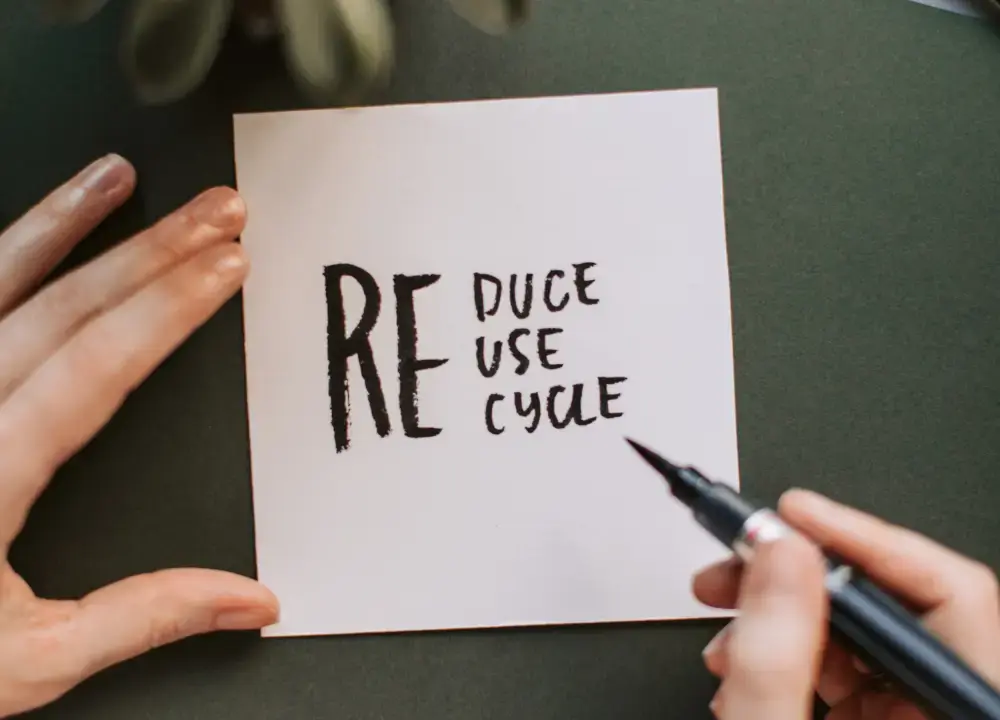
Reducing paper waste in offices is easier than you might think. With just a few simple adjustments and practices, you can significantly cut down on paper consumption, lower costs, and support environmental sustainability. This guide will walk you through practical tips to make your office printing more eco-friendly, addressing a common area where many businesses can improve their footprint.
How to Reduce Office Paper Waste: Essential Tips
Reducing paper waste helps the environment and saves office costs. Implementing simple strategies can lead to a more sustainable printing environment, from optimizing printer settings to reconsidering how paper is used daily.
1. Use duplex printing as a standard setting
Printing on both sides of a sheet of paper offers significant savings and is one of the easiest ways to reduce paper waste. By using duplex printing, you instantly cut paper consumption by 50%. ezeep's Printer Profiles feature allows you to set default printer settings, like duplex or black and white printing, for user groups.
2. Reduce unnecessary printouts with pull printing
Unneeded printouts increase paper and toner use, leading to higher costs. Pull printing helps by preventing uncollected documents from cluttering printer trays or being discarded. Solutions like ezeep ensure a print job only starts when an employee authenticates directly at the printer, also preventing unauthorized access or accidental printing to the wrong device.
3. Don't discard old paper; reuse it
Paper printed on one side that is no longer needed doesn't have to go straight into the recycling or waste bin. The blank side can be used for notes or other internal purposes. This simple act contributes to reducing overall paper waste in the office.
4. Implement recycled paper
Recycled paper has come a long way and often looks and performs similarly to virgin fiber paper. Its production significantly uses less wood, water, and energy compared to virgin fiber, making it a more resource-friendly choice for sustainable printing.
5. Consider inkjet printers over laser printers
The choice of printer technology impacts sustainable printing. Inkjet printers use up to 84% less power (15 watts) compared to laser printers (1300 watts). Inkjets also eliminate the heating process and do not emit particulates, making them a greener option for many office environments.
By following these tips, you can significantly reduce paper waste in the office, support sustainable practices, and lower printing costs.
ezeep Makes Printing Carbon Neutral
For ezeep customers, we ensure printing activity is carbon neutral. We achieve this by providing our printing service through sustainable hosting providers. Additionally, we offset all CO2 emissions from customer printing by supporting justdiggit.org, an organization dedicated to re-greening desolate land. This commitment ensures that your printing with ezeep contributes positively to environmental efforts.

ezeep is built on ThinPrint technology, trusted by Fortune 500 organizations, processing millions of pages daily.
How Wood-Free Paper Reduces Printing’s CO2 Impact
Optimize ESG Reporting for Your Print Infrastructure with ezeep